Planning a Lake Como trip is easy to get wrong, because Lake Como is one of the most visited places in Italy and one of the most misjudged. Most people arrive with a list of villages and villas and assume they can move between them easily. The mistake is almost always the same. They underestimate how long it takes to get around the lake, how much the crowds slow everything down in season, and how much depends on the ferry connections rather than the map.
The geography is the thing most guides to Lake Como skip over. The lake is shaped like an upside-down Y, with three arms meeting in the middle. Some crossings are genuinely quick, Varenna to Menaggio is a short ferry, but the time you lose is in the waiting, the queues and the crowds at the busy piers, not the crossing itself. Unless you have a private boat, the ferry timetable shapes your day more than the distances do. A town that looks close can take far longer to reach than expected once the lines are factored in.
And the season changes everything. Summer brings crowds and heat, spring and autumn bring better light and fewer people but less predictable weather, which means a plan that works in July falls apart in October without a backup for the day the rain comes in.
Planning a Lake Como trip properly starts with those realities rather than the postcard. Where you base yourself, how you move around, and when you go matter more than the list of things to see. Get those right, and the lake delivers everything it promises. Get them wrong, and you spend the trip in transit or in queues.
CHOOSING WHERE TO BASE ON LAKE COMO
— budget, pace and what you came for
There is no single best place to base yourself on Lake Como. Every town comes with a trade-off, and it is almost always between how easily you can get around and how close you are to the heart of the lake. Working out which trade-off suits you is the first decision, and it depends on your budget, your pace and what you actually want from the trip.
If ease of access matters most, the southern end works best. Como, the largest town, has the services, the culture and the best train and ferry connections on the lake, though reaching the mid-lake towns from there costs time. Varenna, on the eastern shore, is small but sits on the train line from Milan as well as the ferry network, which makes arriving and leaving simple and suits a shorter or first visit.
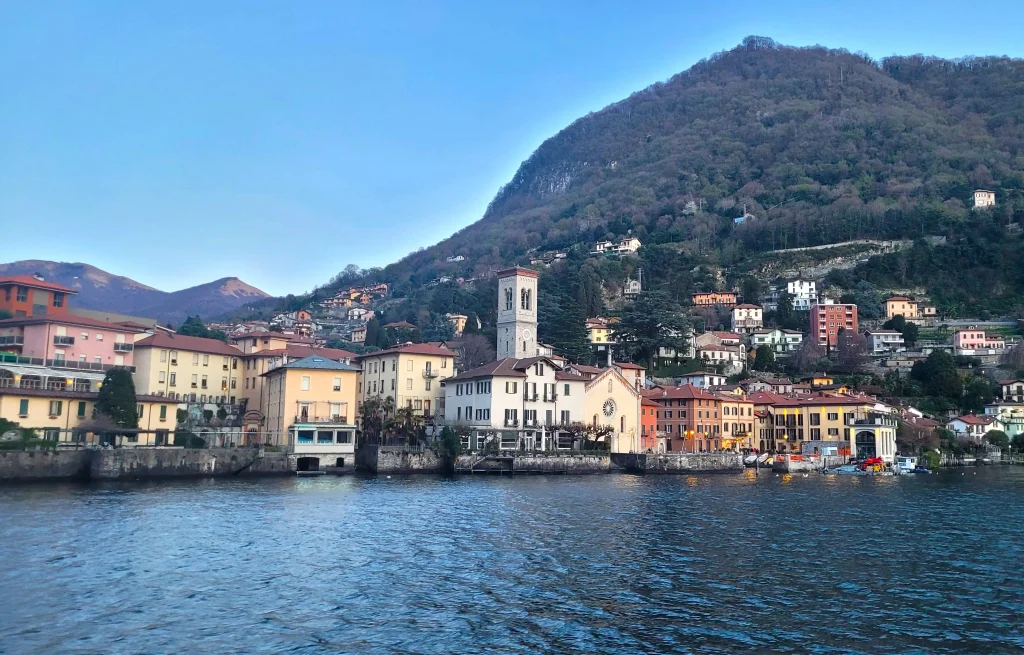
If you want to be in the heart of the lake, the mid-lake towns reward you, but they ask for more planning. Bellagio sits where the three arms meet, the most central base and one of the most beautiful, though it is busy and built on a hill, so the views come with stairs. Menaggio, across the water, is the one that surprises people, less crowded, very well connected by ferry, and with a genuine range of hotels from five star down to boutique three star. Away from Varenna and its train, these towns need careful logistics by car, ferry or taxi boat, but once you are based there the most beautiful part of the lake is on your doorstep.
At the top end, the calculation changes entirely. The most exclusive hotels on the lake sit at the southern-western end and in the Tremezzina. Cernobbio and Moltrasio, just north of Como, hold names like Villa d’Este, Il Sereno and Passalacqua, and the Tremezzina, near Villa Carlotta and Villa del Balbianello, has some of the finest properties on the central lake. At this level, getting around usually means a private boat rather than the public ferry, arranged through the hotel or privately. That removes the logistics problem entirely, because reaching any town on the lake no longer depends on ferry timetables or the queues at the piers.
And for those who want to pair the lake with somewhere quieter, Lugano over the border is underrated and worth knowing about.
The right base is the one that matches how you want to travel. Connections and services at the southern end, the heart of the lake in the middle with more planning, or the private-boat freedom of the top-tier stays. That decision shapes everything that follows, which is why it is worth settling before anything is booked.

HOW TO GET AROUND LAKE COMO
— the ferry, the car, and when to hire a boat
Getting around Lake Como is really two questions, and most people only think about the second one.
The first is how the lake fits into the wider trip and how you reach it. If Lake Como is one stop on a broader Italy itinerary, how you arrive depends on where you are coming from. From Milan it is a short train or a transfer. From another region it may be a longer drive, a private transfer or a train connection. This matters more than it seems, because arriving by car means you have a car for the whole trip, useful for the wider area but something you then have to park and manage in the towns.
Arriving by train means you do not, so the lake is experienced by ferry and boat instead. The way you arrive decides how you move for the rest of the trip.
The second question is how you move around once you are on the lake, and here there are four options, each with its place. The public ferries are the backbone for most visitors, connecting the main towns, though they run to timetables and fill up at peak times, so the waiting and the queues are the real cost rather than the crossings.
A private taxi boat removes the ferry waiting entirely, taking you directly between towns on your own schedule, which is worth it for reaching the mid-lake towns without the ferry logistics or for an evening out. It comes at a higher cost than the ferry, so it tends to make sense for specific days or occasions rather than every crossing.
A car is useful for the wider area, Brunate, Lugano, the western shore road and the region beyond the lake, but it becomes a liability in the towns themselves, where the roads are narrow, and parking is genuinely difficult. And a private transfer handles the arrivals, the departures, and the longer connections without the stress of driving and parking yourself.
The honest approach is to work out the wider picture first, how the lake sits in the trip and how you reach it, and then the local movement second. Decide those together rather than separately, because the two shape each other. A trip planned around ferries wants a base with good ferry access. A trip with a car wants a base where the car is an asset rather than something to park and forget.
WHEN TO GO TO LAKE COMO
— and why each season needs a different plan
There is no single best time to visit Lake Como. Each season works if it is planned for what it actually is, and the mistake is treating them as interchangeable.
Spring, from April into June, is one of the most rewarding times on the lake. Late March can already be worth it, though this early in the year the weather is less settled. Autumn, through September and October, is similar, quieter than the peak with the harvest season alongside it, and the same unpredictability. For both, the trip works best when there is something in reserve for the day the weather turns.
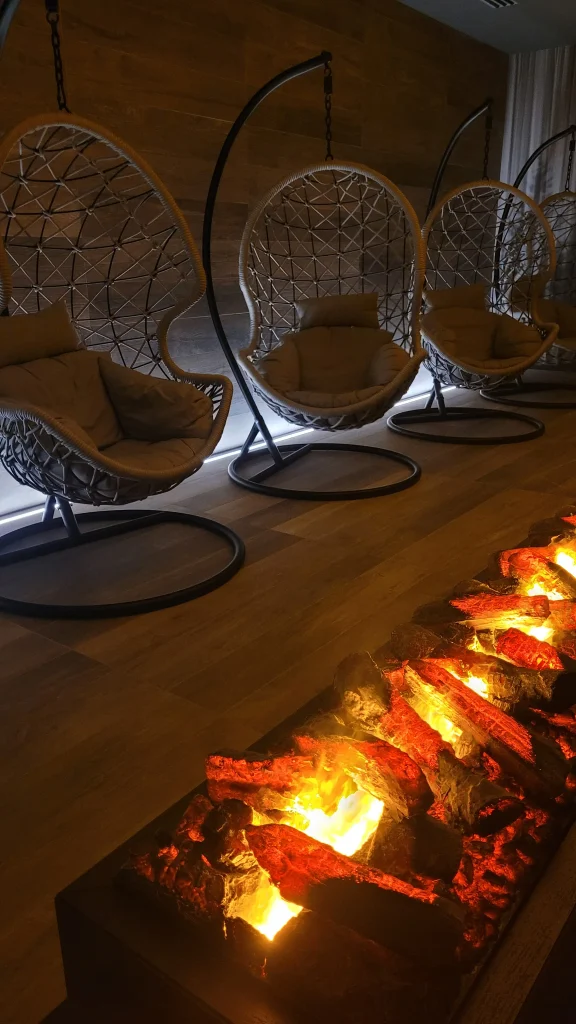
This is where the lake’s wellness side matters. Many of the hotels have serious spa and wellness areas, so a wet afternoon becomes a relaxing one rather than a lost one. Lake Como is not only about the views, and a plan that leans on the hotel on a grey day rather than the boat holds up far better.
Summer, July and August, is the lake at its busiest. It is warm enough to swim, the towns are lively, and everything is open, but the crowds are real and the ferries and famous villages fill up. It works, but it needs planning around the peak, booking ahead, choosing the right base, and timing the busiest places for when the day-trippers are not there, which is not always early but depends on the town and the ferry pattern.
Winter, from November into March, is the quietest and the one that needs the most care in planning. Many of the villas close, including Villa del Balbianello, and some hotels shut for the season, so a winter trip built around the gardens and villas will not work. The ferries also run reduced winter timetables, so the connections that are frequent in summer become something to check and plan around rather than assume.
What does work is the towns themselves, Como and its cathedral, the culture and the services, the calm of the lake without the crowds, and the Christmas markets, which are smaller than the famous ones elsewhere in Italy but pleasant in their own right. It is a different trip, and a good one for the right visitor, but only if it is planned around what is actually open.
The point that runs through all of it is that Lake Como rewards a plan matched to the season rather than a plan that assumes the lake is the same all year. Get the most out of any season and you will find the lake delivers. The season you choose is less important than planning for the one you pick.
WHAT TO DO ON LAKE COMO
— the villas, the water, and what is worth the time
What to do on Lake Como divides into the obvious and the less obvious, and the honest planning point is that you cannot do all of it. The villas alone would fill several days, and which ones make sense depends on where you are based, what is reachable from there, and what is open when you visit, rather than a simple ranking of favourites.
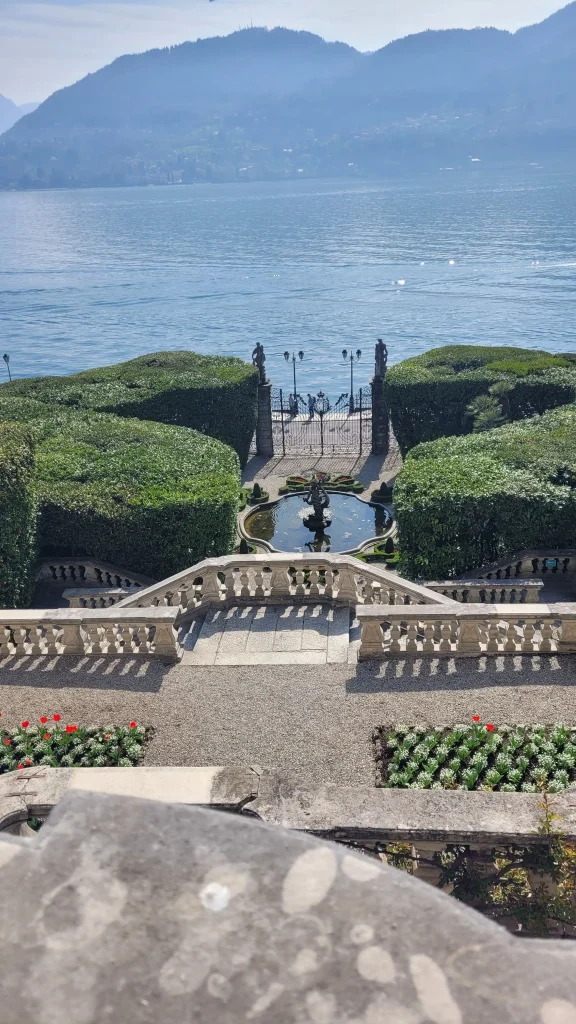
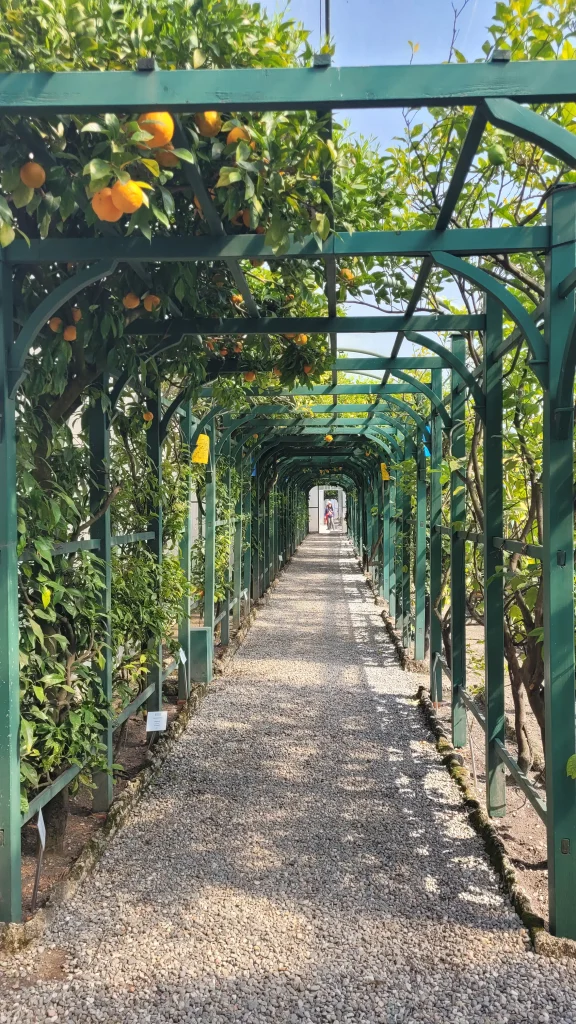
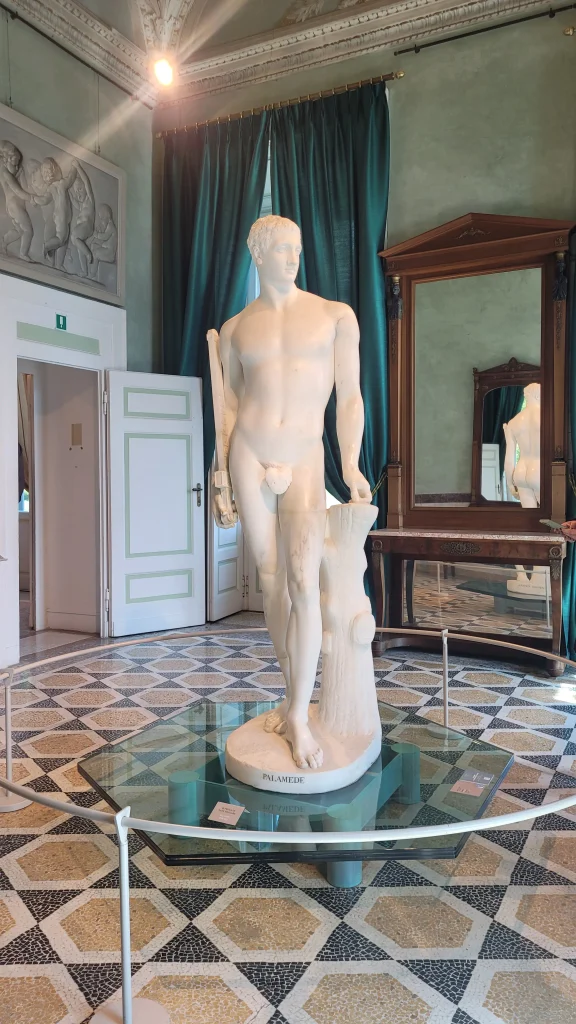
The villas are the classic draw. Villa Carlotta, with the gardens and the story behind it, is one of the most rewarding, and Villa del Balbianello, on its promontory near Lenno, is the one most people recognise from film. There are others worth the time depending on your base, which is exactly why the villa question is answered after the base decision, not before it. I have written about Villa del Balbianello in more detail if it is one you are drawn to.
The lake itself is best experienced from the water, whether by ferry, a private boat or a full day out on the lake. Less expected is seeing it from above. A seaplane or a helicopter ride gives you the shape of the lake, the three arms and the mountains around it, in a way the shoreline never does.
Beyond the water, the thing most visitors forget is that Lake Como sits among mountains. Brunate, reached by the funicular from Como, is the well-known viewpoint, but the lesser-known side is the hiking and even foraging in the hills around the lake, which most people never consider. Cooking classes are worth building in for those who want something hands-on and local.
And it is worth saying that Lake Como does not have to be a trip spent constantly on the move. It has lidos and hotels with pools, and it works just as well as a slower, relaxing holiday as it does a sightseeing one. For some couples and families, a base with the lake in front of them and a day or two with nothing planned is the point of the trip, not a gap in it.
WHO A LAKE COMO TRIP IS FOR
— and how it changes depending on who is travelling
For families, the lake works well because it combines plenty of outdoor space with proper services, the lidos and pools, the boat, the gardens with room to move, and towns with everything you need close by. The one honest caveat is the terrain. Some of the most beautiful towns, Bellagio in particular, are built on hills with a lot of stairs, which is worth knowing about with small children or a buggy. The base you choose matters more for a family than for anyone else, because it decides how easy the daily logistics are. It is worth reading how a family holiday in Italy comes together around exactly these decisions.
Couples are drawn to a different side of the same lake. The villas, the private boat, the wellness and the exclusive stays are all here, and so are the restaurants, from a quiet dinner to something built around an occasion. It works for a milestone as easily as it does for a trip with no reason behind it beyond wanting to be somewhere beautiful together. If that is the kind of trip you are planning, a couples holiday in Italy is where the wider planning starts.
Whoever is travelling, the lake often works best not on its own but as part of a wider Northern Italy trip. Based in a well-connected town, it pairs naturally with Milan and Verona, or with the other lakes and the mountains. Rather than a destination in itself, Lake Como becomes one strong part of a longer route through the north, which is often how the best trips to the region are built.
PLANNING A LAKE COMO TRIP, PROPERLY
— the decisions that shape the rest
Everything about a Lake Como trip follows from a few early decisions, and the first is where the lake sits in your wider itinerary. How you get there flows from that, and how you arrive shapes the rest, because arriving with a car is a different trip from arriving by train and relying on the ferries and boats.
From there the decisions connect to each other rather than following a fixed order. Where you base yourself, how you move around, when you go and who is travelling with you. They shape one another, which is why they are worth working out together rather than one at a time. Get them right and the lake delivers on everything it promises. Get them wrong and the trip becomes a series of queues, long transfers and days that do not quite work.
That thinking, and the local knowledge behind it, is what I bring to planning a Lake Como trip. If you are building the lake into a wider Italy itinerary or planning it as a trip in itself, here is how the planning process works.
“Vanya helped us plan a three-centre holiday in Northern Italy, Milan, Lake Como and Verona. We visited some attractions we had never heard of and would not have seen without guidance. At every stage we were consulted and the plans were amended when necessary. A good experience, and we would use Design Your Italy again.”
— David R., Milan, Lake Como & Verona
PLANNING A LAKE COMO TRIP
— your questions, answered honestly
How many days do you need for Lake Como?
Three nights is the honest minimum, and even that gives you a feel of the lake rather than a full sense of it, because the travel times and ferry logistics eat into the days more than people expect.
How many you actually need depends on what the trip is for. If it is a relaxed, slower stay, you want more days, not fewer, because the slower pace is the point and the extra time lets you see the main places without rushing between them. If it is a faster sightseeing trip, moving between the towns and villas, you can do it in less, as long as you accept that the days will be fuller and the travel times will shape them.
It also depends on whether Lake Como is the whole trip or part of a wider one. As one leg of a Northern Italy itinerary, a few nights fits naturally alongside Milan, Verona and the other lakes. As a standalone trip, it can hold much longer, particularly for a family or a multigenerational group renting a large villa around the lake as a single base.
There is also the day-trip option. If you are based in Milan with enough nights there, Varenna is easy to reach by train and gives you a taste of the lake in a day, though only if it does not come at the cost of the city itself. It is a compromise rather than the full experience, but for some trips it is the right one.
Where is the best place to base yourself on Lake Como?
There is no single best base. Every town has a trade-off between how easily you can get around and how close you are to the heart of the lake, and the right one depends on your budget, your pace and what you want from the trip.
For ease of access, the southern end works best. Como has the most services and the best train and ferry connections, though reaching the mid-lake towns from there costs time. Varenna is small but sits on the train line from Milan as well as the ferry, which makes it simple for a shorter or first visit.
For the heart of the lake, the mid-lake towns reward you but ask for more planning. Bellagio is the most central and one of the most beautiful, though busy and built on hills. Menaggio is the one that surprises people, less crowded, well connected by ferry, and with a genuine range of hotels.
At the top end, the most exclusive hotels around Cernobbio, Moltrasio, and the Tremezzina come with private boat access, which removes the ferry logistics entirely.
The base is worth settling first, because it shapes how the rest of the trip works.
Do you need a car for Lake Como?
It depends far more on the wider trip than on the lake itself.
On the lake, you rarely need a car. The ferries connect the main towns, and a private taxi boat or transfer handles the rest without the problem of parking. In the towns themselves a car is more of a liability than a help, because the roads are narrow and parking is difficult.
The real question is how the rest of the trip is organised. If your route already involves driving, you keep the car through the lake as one leg of it. A trip that runs Venice, then Lake Como, then Milan is a good example. You pick the car up in Venice, drive to the lake, stay somewhere with parking, then drive on to Milan and drop it there. In that case the car at the lake is simply part of the logistics of the whole route, not a decision about the lake on its own, and the base you choose needs to have parking.
So the honest approach is to decide the car as part of the full itinerary rather than for Lake Como in isolation. Arriving by train and using ferries is a different trip from arriving by car and keeping it, and which one is right comes down to everything around the lake, not the lake itself.
When is the best time to visit Lake Como?
There is no single best time. Each season works if the trip is planned for what that season actually is, and the mistake is treating them as interchangeable.
Spring, from April into June, and autumn, through September and October, are the most rewarding for many, quieter than the peak with good light, though the weather is less settled, so a plan with the wellness side of the hotels to fall back on holds up better on a grey day. Late March can already be worth it.
Summer, July and August, is the busiest. It is warm enough to swim and everything is open, but the crowds and the ferry queues are real, so it needs planning around the peak.
Winter, from November into March, is the quietest and needs the most care. Many villas close, including Villa del Balbianello, some hotels shut for the season, and the ferries run reduced timetables, so a winter trip has to be built around what is actually open, the towns, Como itself, the culture and the calm.
The season you choose matters less than planning for the one you pick.
How do you fit Lake Como into a wider Italy trip?
There is no single formula for it, because how the lake fits depends on the rest of the route and how you are travelling.
Its position in the north makes it flexible. It sits close to Milan, so it pairs easily with the city, but it can just as well be reached from Venice or Verona, or built into a longer route through the region. It works alongside those cities, the other lakes and the Dolomites, as one part of a Northern Italy itinerary rather than a destination on its own.
What shapes the options is how you move. Travelling by train keeps things simple but limits where you can go and when, tying you to the rail network and the timetables. Travelling by car gives you far more flexibility over the route and the pace, and a private transfer gives the same flexibility without the driving, at a higher cost. Neither is right or wrong, but the choice affects how the lake connects to everything around it.
This is often where a Lake Como trip is won or lost, in how well it fits the wider route rather than in the lake alone. Because it depends on so many moving parts, the way the lake slots into a trip is rarely obvious, and it is exactly the kind of planning I do for the north.